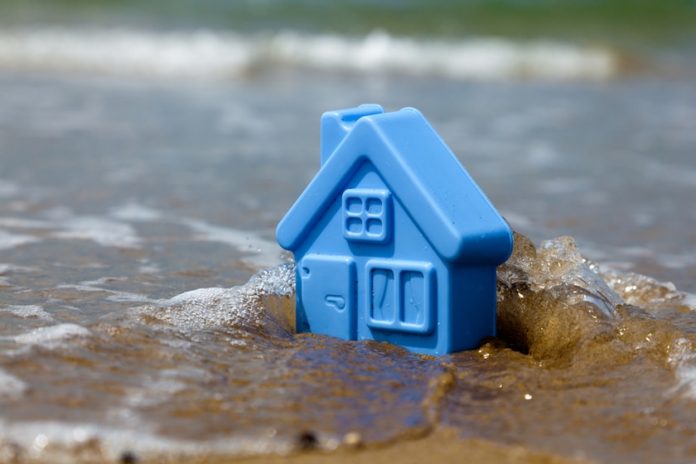
In the wake of hurricanes Harvey and Irma, millions of homes have been flooded, and many of those homes likely weren't insured for flooding. Even for those that were, money can't replace the lost family heirlooms and beloved personal items that are susceptible to damage. If your home has been flooded, taking immediate action can help to minimize the damage to property and to your health.
Flood water can be contaminated with sewage and other pollutants, including gasoline and oil, potentially posing a serious health hazard. Keep children and pets away from the area until it has been thoroughly decontaminated. Wearing gloves and a mask for protection, remove any objects that have come into contact with floodwaters as soon as possible.
An even greater danger after a flood is mold-a microscopic fungus that germinates and grows in a moist or damp environment.
Indoor mold affects the upper respiratory system causing nasal and sinus congestion, cough, wheezing, irritated throat, eyes, or skin, and sinus infections; however, more serious health problems will likely occur with long-term exposure to mold.
Mold Clean-Up After a Flood
Ventilate – Mold can't grow without moisture, so open windows and use fans and humidifiers, even if you have to rent them. Don't use a fan if you can already detect mold; it will cause mold spores to spread.
Dry & Discard – Throw out porous items (such as carpet, wood, and paper products) that may have absorbed moisture or have been contaminated with sewage. Non-porous materials (hard plastic, glass, metal, solid wood, or concrete) can be saved if they are properly cleaned. Carefully damp wipe the item to remove surface contamination, and dispose of your wipes afterwards as they’ll be contaminated with mold. For heavily contaminated items, use a HEPA vacuum first, then thoroughly scrub all contaminated surfaces with a brush, hot water, and a disinfectant.
Disinfect – Mold removal with bleach is not recommended. Although bleach kills every species of indoor mold, it only works on non-porous materials and can't reach the mold growing beneath the surface of porous materials such as drywall and wood. Plus, it's a corrosive chemical that
produces harsh fumes and is toxic to the body and the environment. Instead, use borax, vinegar, or tea tree oil to disinfect your home after a flood.
Read more about natural cleaners you can make
Borax – Borax, a natural cleaning product, effectively kills mold, especially on walls or ceilings. Borax mixed with water leaves behind a residue which will continue to kill mold even after cleaning. Add one cup of borax to a gallon of water to clean contaminated surfaces. If you're disinfecting a high-traffic area, you'll have to rinse the area since borax is unsafe to touch. In this case, vinegar or tea tree oil are better options.
Vinegar – Vinegar kills 82% of mold species and is safe to humans and animals. Pour white distilled vinegar into a spray bottle (don't water it down) and spray it directly onto the moldy surface. Leave it for an hour, then wipe clean with water and allow the surface to dry completely. To prevent mold from growing, every couple of days, spray vinegar on the surface, leaving it to dry naturally.
Tea Tree Oil – This essential oil is a potent antifungal, capable of killing all types of molds, and is antibacterial as well. To kill mold using tea tree oil, add two cups of water to a spray bottle, and add two teaspoons of tea tree oil. Spray the solution directly onto the moldy surface without rinsing or wiping. Leaving the tea tree oil on the surface will kill the mold and prevent its return.
Read more about detoxing your home with a natural cleaning regimen
If you've had water damage, expect that mold will be an issue sooner or later. You may or may not be able to detect it with your eyes or nose. If you notice that your allergies are getting worse, that's a good indicator there may be a mold problem.
Drying out wet building materials may take a while. After a flood, be patient about rebuilding your home or purchasing new furniture. Wait until everything has been completely cleaned and dried.
References:
Minnesota Department of Health
What to do After a Hurricane or Flood, Houzz.com